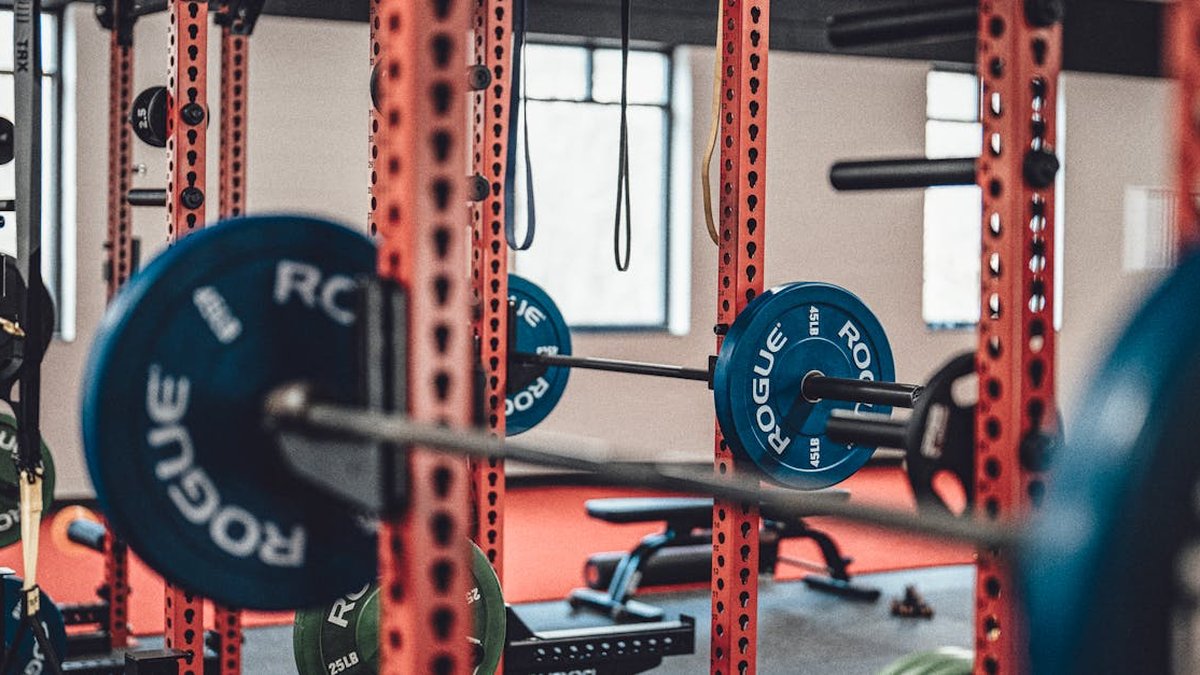
The 5x5 Strength Training Program: Build Raw Strength and Muscle Mass
Discover why the 5x5 program remains one of the most effective strength-building protocols ever designed and how to run it properly.
Read More →Build strength, burn fat, and move better — science-backed training, nutrition, and recovery for every fitness level.
Explore the GuideBuilding strength is the foundation of any fitness journey. Master the fundamental lifts and understand the principles of progressive overload to continuously challenge your muscles and drive adaptation. Strength training is not just about looking stronger — it improves bone density, boosts metabolism, enhances athletic performance, and supports healthy aging.
The cornerstone of any strength program is consistency with the big compound movements: squats, deadlifts, bench presses, and overhead presses. These multi-joint exercises recruit the most muscle fibers and produce the greatest hormonal response for growth. Once you build a solid foundation with these lifts, you can layer in accessory work, adjust rep ranges, and periodize your training for continued progress.
Whether your goal is building raw power with heavy low-rep sets, hypertrophy with moderate rep ranges, or muscular endurance with higher volume, the principles remain the same: progressive overload, proper form, adequate recovery, and consistent programming. These guides walk you through every aspect of strength training, from beginner setup to advanced programming techniques.
Discover why the 5x5 program remains one of the most effective strength-building protocols ever designed and how to run it properly.
Read More →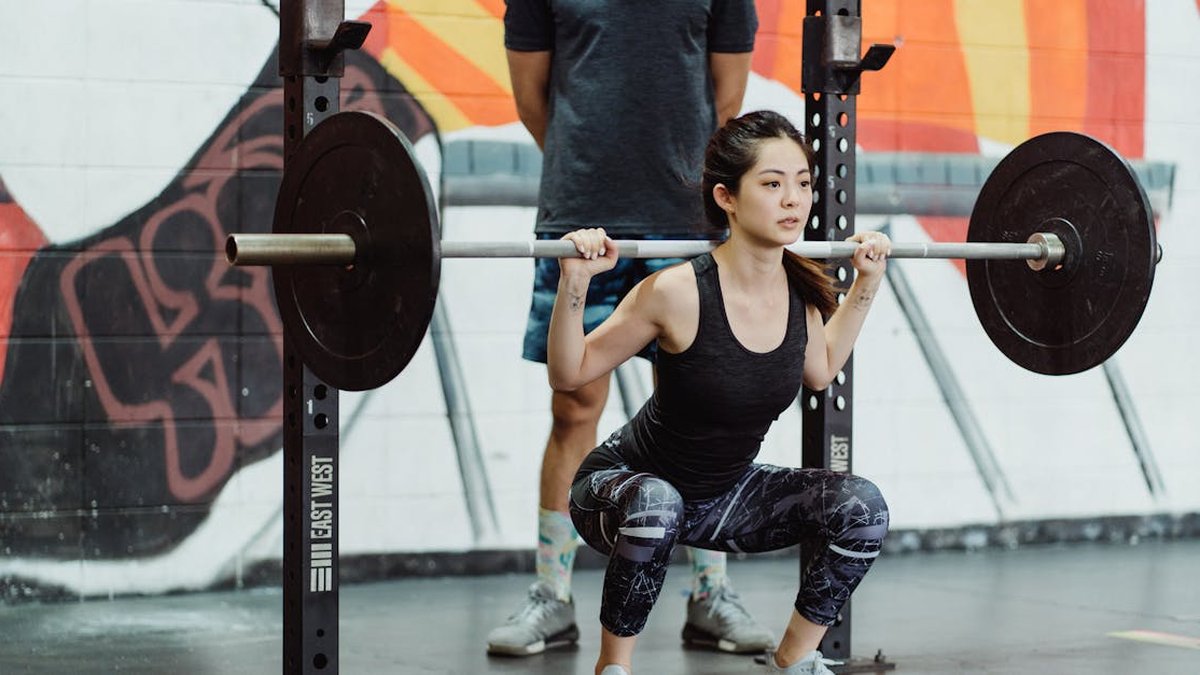
Master proper squat technique with detailed form cues, common error fixes, and progressive overload strategies for the king of lifts.
Read More →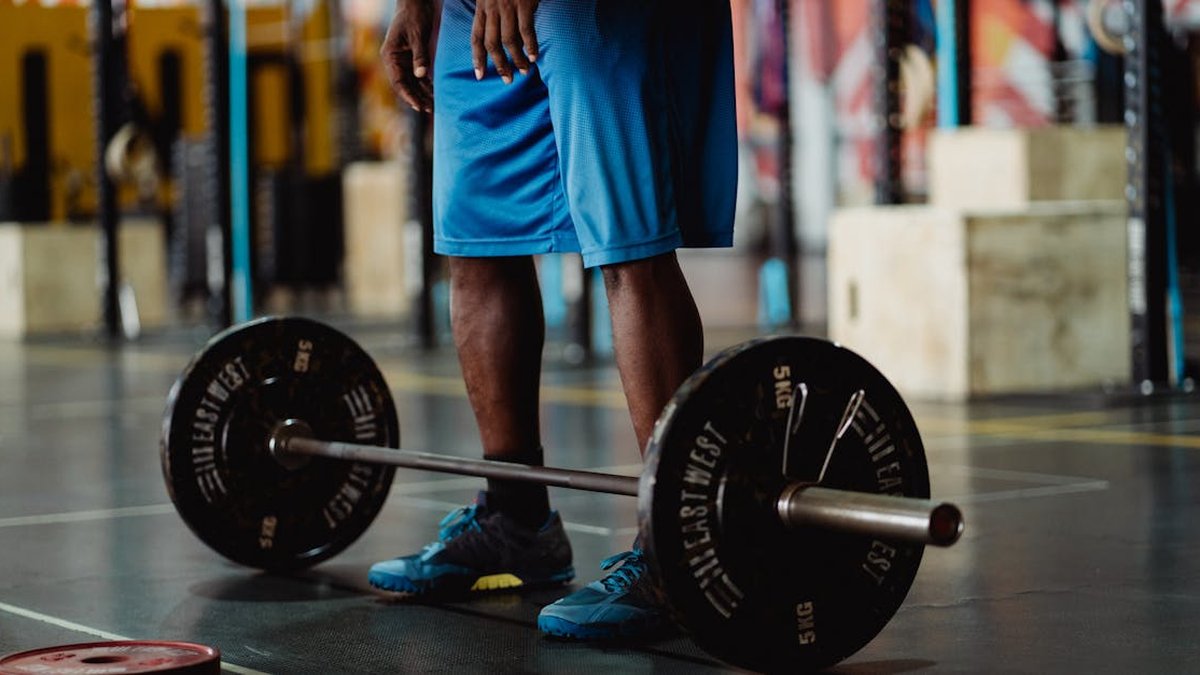
Understand the physiological mechanisms behind progressive overload and how to apply it systematically to your training.
Read More →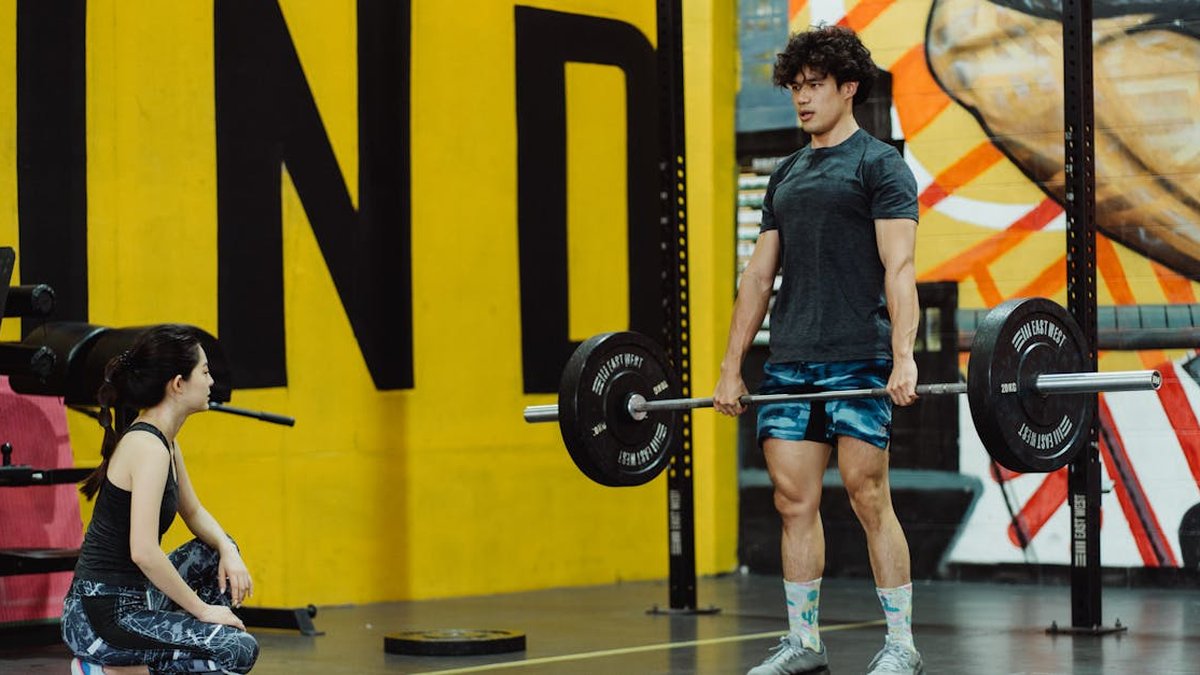
Compare the three main deadlift variations and learn which one suits your anatomy and goals best.
Read More →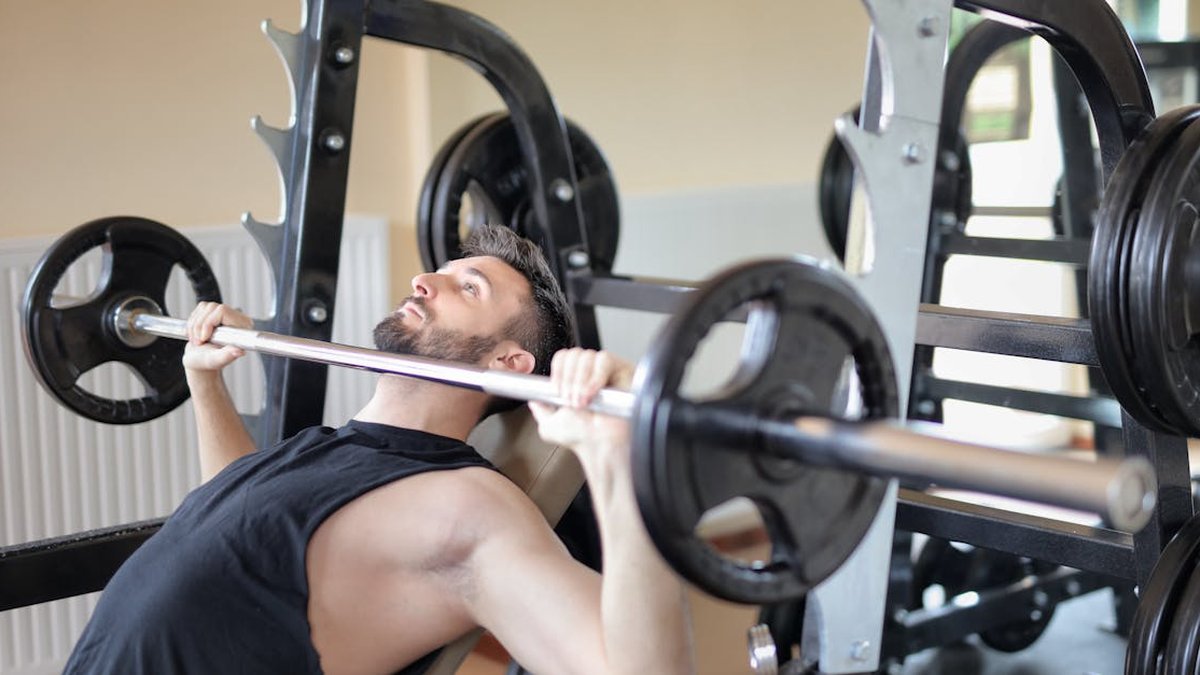
Optimize your bench press with correct setup, optimal grip width, and the ideal bar path for maximum strength and shoulder safety.
Read More →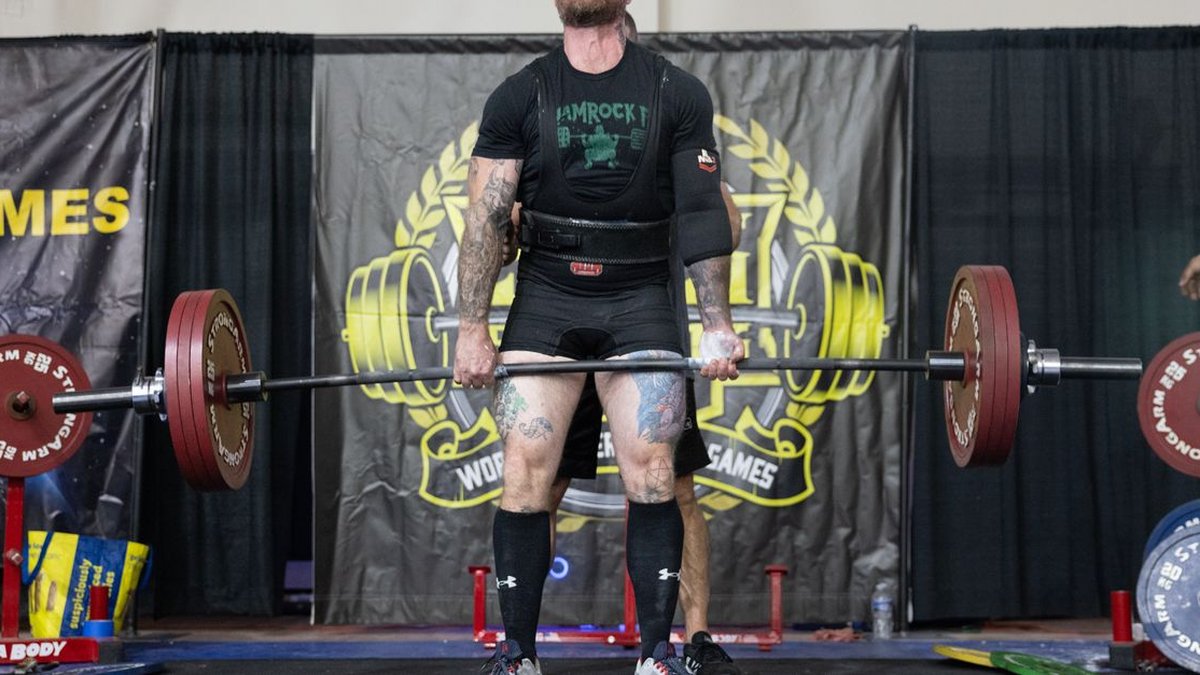
See where you rank with body-weight-adjusted strength standards for the major lifts and set realistic goals for your level.
Read More →Cardiovascular fitness is essential for heart health, fat loss, and overall endurance. Whether you are training for a race or just looking to improve your stamina, these guides cover every modality. The key to building endurance is consistency and gradual progression — your cardiovascular system adapts remarkably quickly when challenged regularly.
Different types of cardio serve different purposes. Low-intensity steady-state (LISS) work like Zone 2 training builds your aerobic base and improves mitochondrial density. High-intensity interval training (HIIT) pushes your anaerobic threshold and creates a powerful afterburn effect. The best programs combine both approaches strategically across the training week.
Beyond just running, cardio modalities like cycling, rowing, and swimming offer full-body conditioning with lower joint impact. Each sport has its own technique requirements and training protocols. These guides help you choose the right approach for your goals and show you how to structure your cardio training for maximum results without overtraining.

Learn why Zone 2 training is the foundation of endurance and how to dial in the perfect intensity for aerobic development.
Read More →
Start running safely with a progressive 8-week program designed for complete beginners with zero running experience.
Read More →
Compare the science behind HIIT and LISS cardio to determine the right approach for your fat loss goals and lifestyle.
Read More →
Build cycling fitness with structured indoor trainer sessions and outdoor riding plans for all experience levels.
Read More →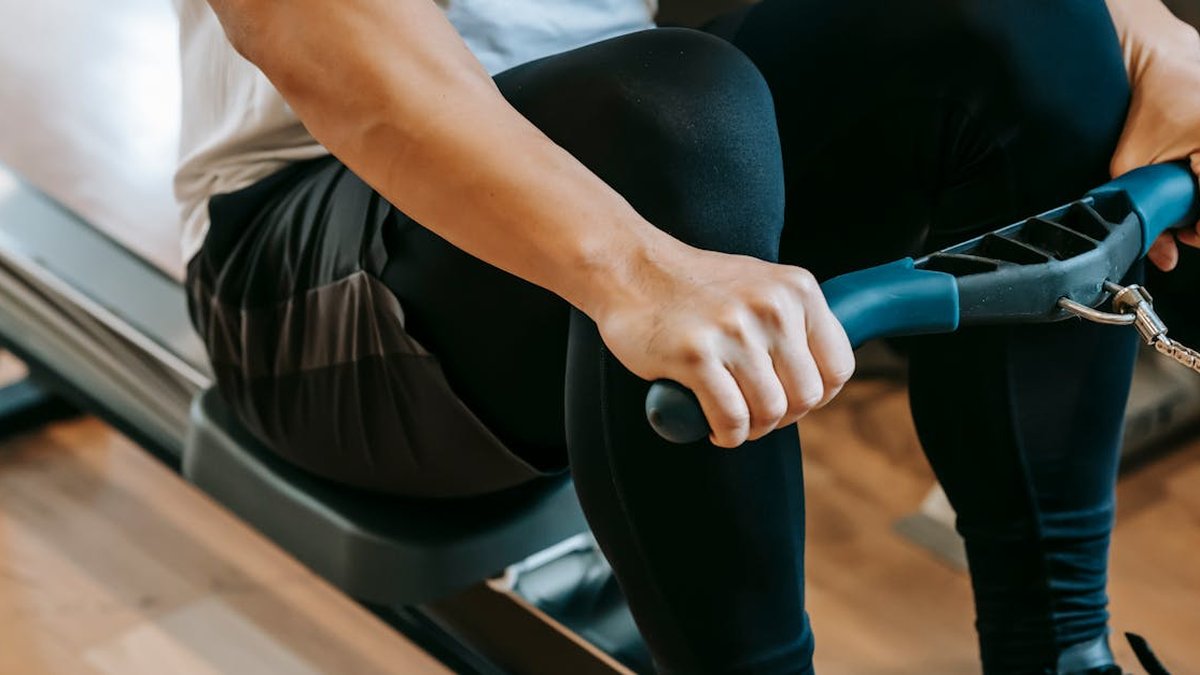
Master proper rowing technique and follow five progressive workout sessions that deliver full-body conditioning.
Read More →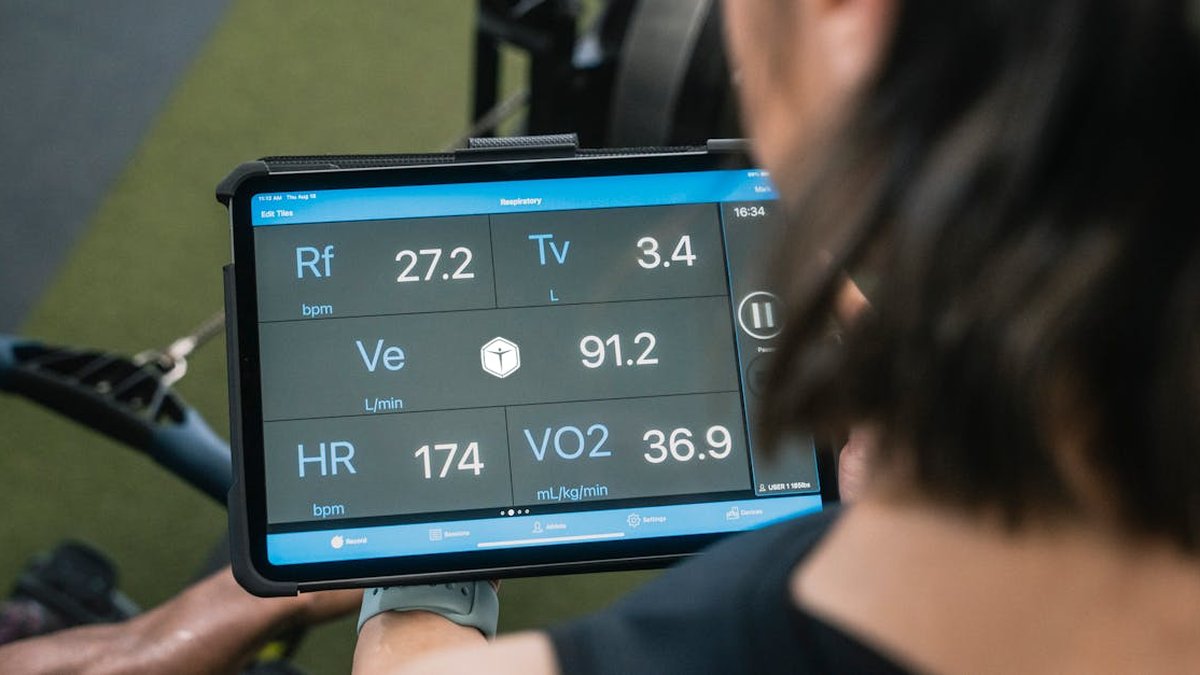
Understand the five heart rate zones and how to use a monitor to train at the right intensity for your specific goals.
Read More →Mobility is the missing piece in most training programs. Improve your range of motion, reduce injury risk, and move more freely with these mobility and flexibility guides. While flexibility refers to a muscle's ability to lengthen passively, mobility is about active control through a full range of motion — and it directly impacts your lifting technique and movement quality.
Research shows that a well-designed mobility routine can improve squat depth by 20-30 percent, reduce lower back pain, and enhance athletic performance across all sports. The key is consistency — ten minutes of targeted mobility work daily produces better results than one hour once a week. Static stretching, dynamic warm-ups, foam rolling, and yoga each play different roles in a comprehensive mobility program.
Many lifters neglect mobility until an injury forces them to pay attention. These guides help you build a proactive approach, targeting the areas most commonly tight in athletes: hips, shoulders, thoracic spine, and ankles. Whether you are a powerlifter looking to improve your squat depth or a runner dealing with tight hips, the right mobility protocol can transform your training.

A practical introduction to stretching for beginners, covering the different types, when to do them, and how to build a routine.
Read More →
Review the scientific evidence behind dynamic and static stretching to know exactly when and how to use each method.
Read More →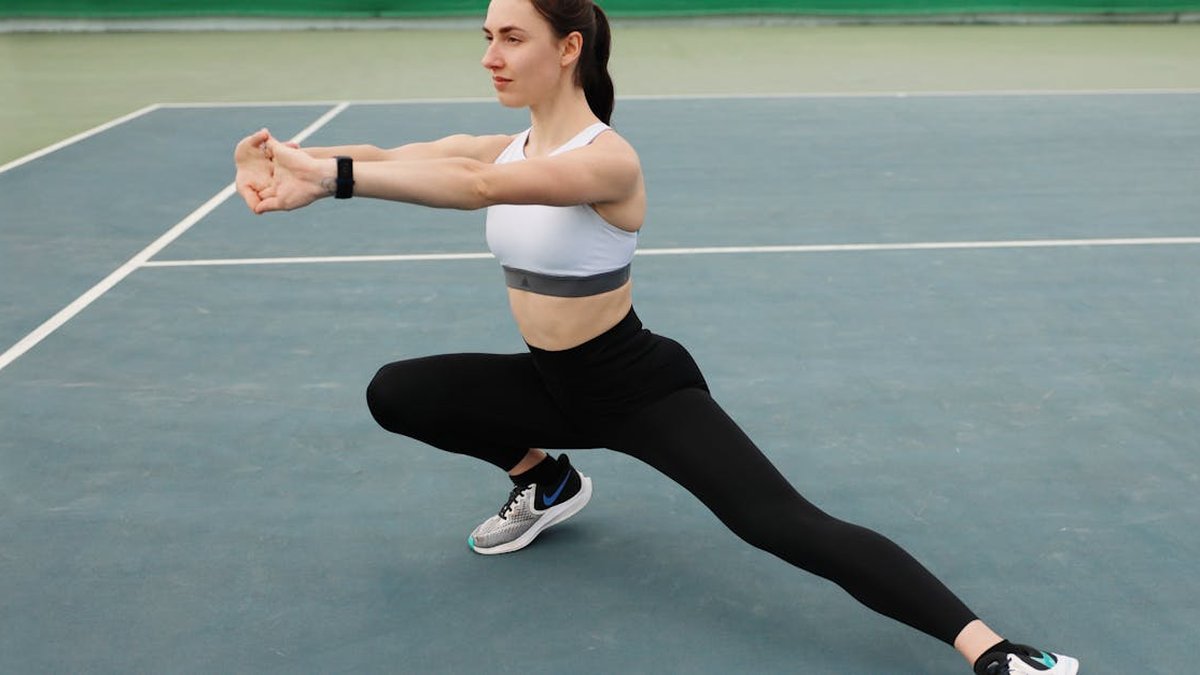
Relieve tight hips with ten targeted mobility drills that improve squat depth, reduce lower back strain, and enhance athletic movement.
Read More →
Seven essential yoga poses that address the specific mobility limitations weightlifters face, from tight shoulders to stiff hips.
Read More →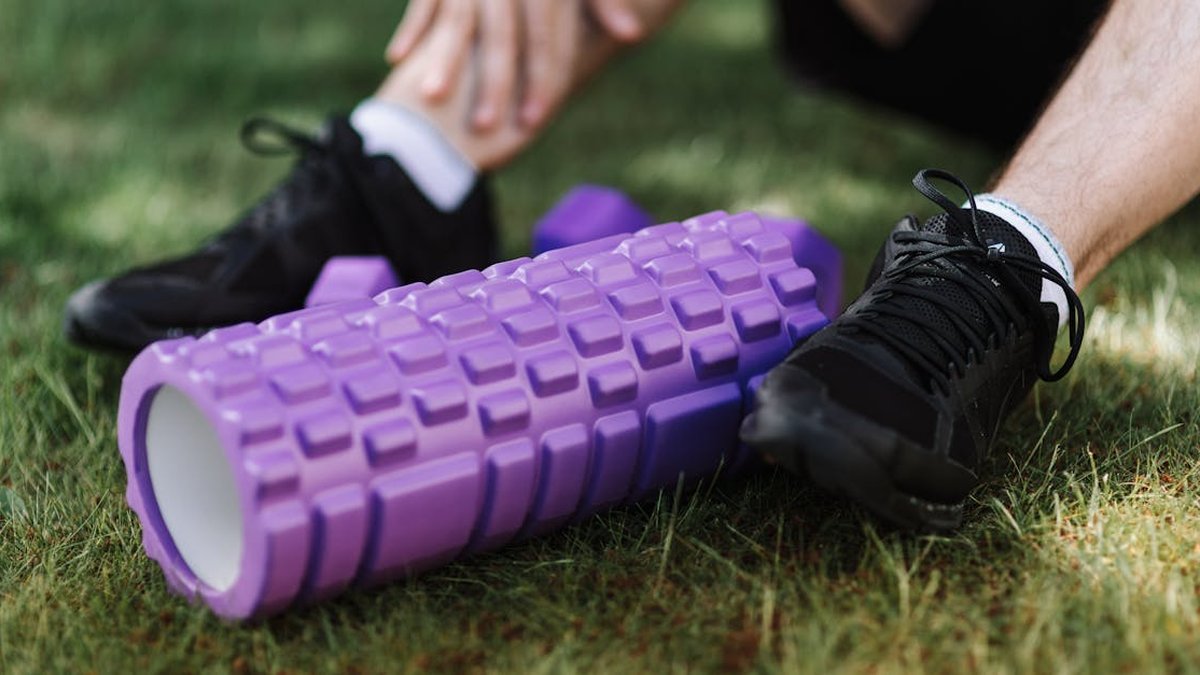
Examine the research behind foam rolling and self-myofascial release to understand what it can and cannot do for recovery and mobility.
Read More →
Assess your shoulder mobility with simple tests and follow corrective drills to improve overhead position for pressing and throwing.
Read More →What you eat directly impacts how you perform, recover, and adapt. These nutrition guides help you fuel properly for your specific fitness goals, whether that is muscle gain, fat loss, or performance. Getting your nutrition right can be the difference between making consistent progress and hitting frustrating plateaus.
The foundation of sports nutrition is getting the right balance of macronutrients — protein for muscle repair and growth, carbohydrates for energy and glycogen replenishment, and fats for hormone production and overall health. Beyond macros, meal timing around workouts, hydration strategies, and evidence-based supplementation can provide meaningful performance and recovery benefits.
One of the most common mistakes athletes make is overcomplicating their nutrition. These guides cut through the noise and provide practical, actionable advice based on solid research. From calculating your exact macronutrient needs to understanding when to use supplements like creatine and protein powder, you will find clear guidance that works in the real world — not just in theory.

Learn how to calculate your optimal macronutrient ratios for muscle gain, fat loss, or maintenance based on your body and activity level.
Read More →
Optimize your pre-workout meal timing and composition to maximize energy, focus, and performance during training sessions.
Read More →
Understand the research behind post-workout nutrition timing and how to structure recovery meals for optimal muscle repair.
Read More →
A comprehensive look at creatine monohydrate — how it works, dosing protocols, loading phases, and who benefits most from supplementation.
Read More →
Compare bulking and cutting phases, learn how to transition between them, and determine which approach fits your current goals.
Read More →
Get your hydration strategy right with evidence-based guidelines on fluid intake, electrolyte balance, and timing around workouts.
Read More →Losing fat and improving body composition requires a strategic approach that combines nutrition, training, and consistency. These guides cover evidence-based methods that actually work. The most effective fat loss protocols create a modest calorie deficit while preserving as much lean muscle mass as possible through adequate protein intake and resistance training.
High-intensity training modalities like HIIT and Tabata have shown particular effectiveness for fat loss due to the EPOC (excess post-exercise oxygen consumption) effect, which keeps your metabolism elevated for hours after training. Combined with a well-structured strength program that maintains muscle tissue, these approaches produce superior body composition results compared to steady-state cardio alone.
Sustainable fat loss is not about extreme restriction or drastic measures. These guides emphasize gradual, maintainable approaches that fit into your lifestyle. The goal is not just to lose weight but to improve your body composition — increasing muscle while decreasing fat — for a leaner, stronger, and healthier physique over the long term.
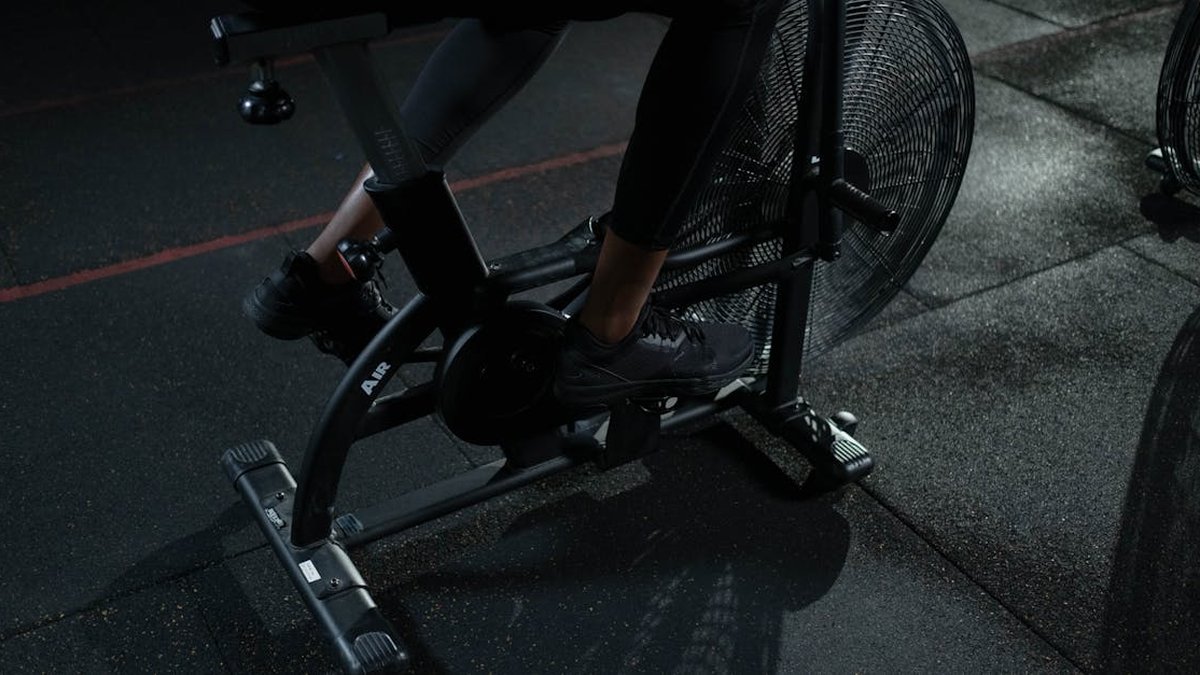
Design effective HIIT sessions that maximize fat burning through optimal work-to-rest ratios and progressive interval programming.
Read More →
A time-efficient 20-minute HIIT protocol that elevates your metabolism for hours after training, maximizing fat burn throughout the day.
Read More →
Discover the science behind the Tabata protocol and how just four minutes of intense interval training can improve body composition.
Read More →
A complete full-body dumbbell workout that builds muscle, burns fat, and improves conditioning with just one piece of equipment.
Read More →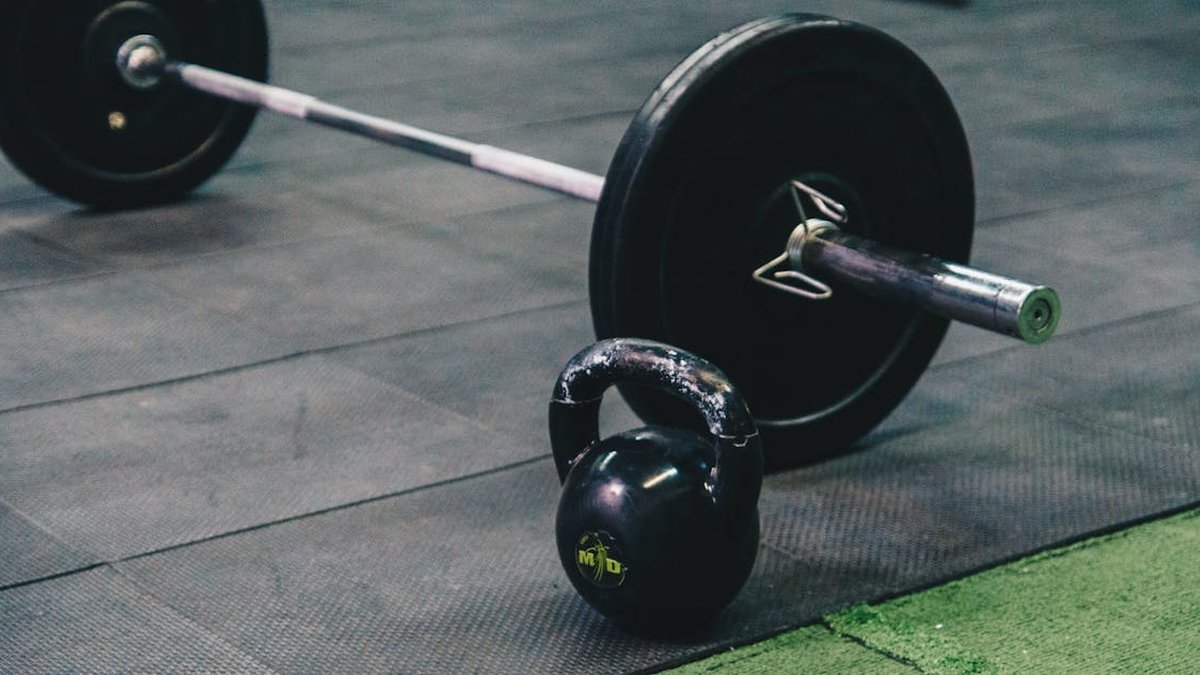
A practical guide for CrossFit beginners covering the common movements, class structure, scaling options, and how to progress safely.
Read More →You do not need a gym to build strength and improve your fitness. These bodyweight and minimal-equipment programs let you train effectively anywhere, anytime. Bodyweight training is often underrated, but progressive calisthenics can build impressive strength, muscle, and body control with zero equipment.
The key to bodyweight progression is leverage and mechanical advantage. By adjusting your body position — from incline push-ups to decline variations, from assisted pull-ups to strict muscle-ups — you can continually increase the challenge without adding external weight. This makes bodyweight training infinitely scalable from absolute beginner to advanced athlete.
Home training also eliminates common barriers to consistency: commute time to the gym, crowded equipment, and schedule constraints. With a few key pieces of equipment like gymnastics rings, resistance bands, or a pull-up bar, you can create a full-body training program that rivals what you would get in a commercial gym. These guides show you exactly how to structure your home training for real results.

Start your calisthenics journey with proper progressions for the three foundational bodyweight exercises: push-ups, pull-ups, and dips.
Read More →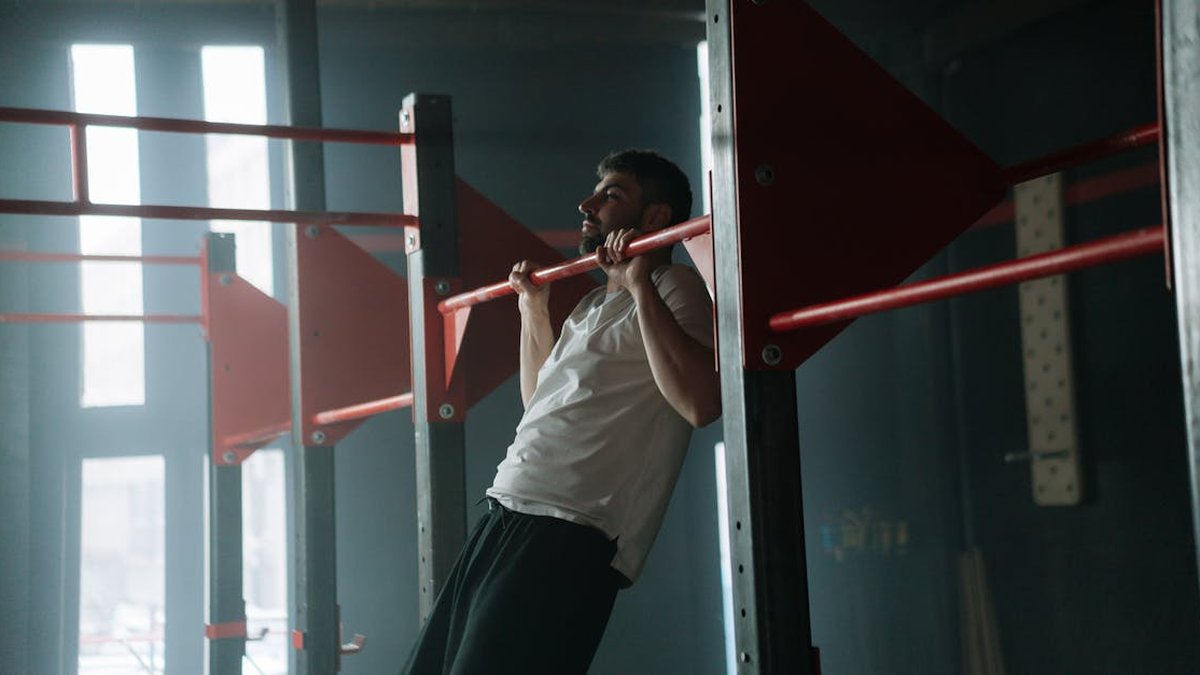
A proven 12-week progression plan that takes you from zero pull-ups to ten consecutive reps with structured accessory work.
Read More →
Expand your push-up repertoire with twenty variations that target different muscle groups and keep your home workouts challenging.
Read More →
Learn to handstand with safe, gradual progressions that build shoulder strength, body awareness, and balance control.
Read More →
Master the fundamentals of gymnastic rings training, from basic holds and supports to advanced strength movements and skill work.
Read More →Staying active as you age is one of the most important things you can do for your long-term health. These guides focus on safe, effective exercise for older adults and those with joint concerns. Maintaining muscle mass, bone density, balance, and cardiovascular health through the decades requires a thoughtful approach that prioritizes joint safety while still providing meaningful training stimulus.
Strength training becomes even more critical after age 50, when sarcopenia (age-related muscle loss) accelerates. Research shows that adults who maintain a consistent strength training routine retain significantly more muscle mass, experience fewer falls, and maintain better metabolic health than those who become sedentary. The key is appropriate exercise selection, proper load management, and adequate recovery between sessions.
Joint-friendly cardio options like aqua jogging, cycling, and walking provide excellent cardiovascular benefits without the impact stress of running. Combined with targeted flexibility work and balance training, a well-rounded senior fitness program can dramatically improve quality of life, independence, and functional capacity well into the later decades of life. It is never too late to start — even beginners over 60 can see significant strength and mobility improvements within weeks.
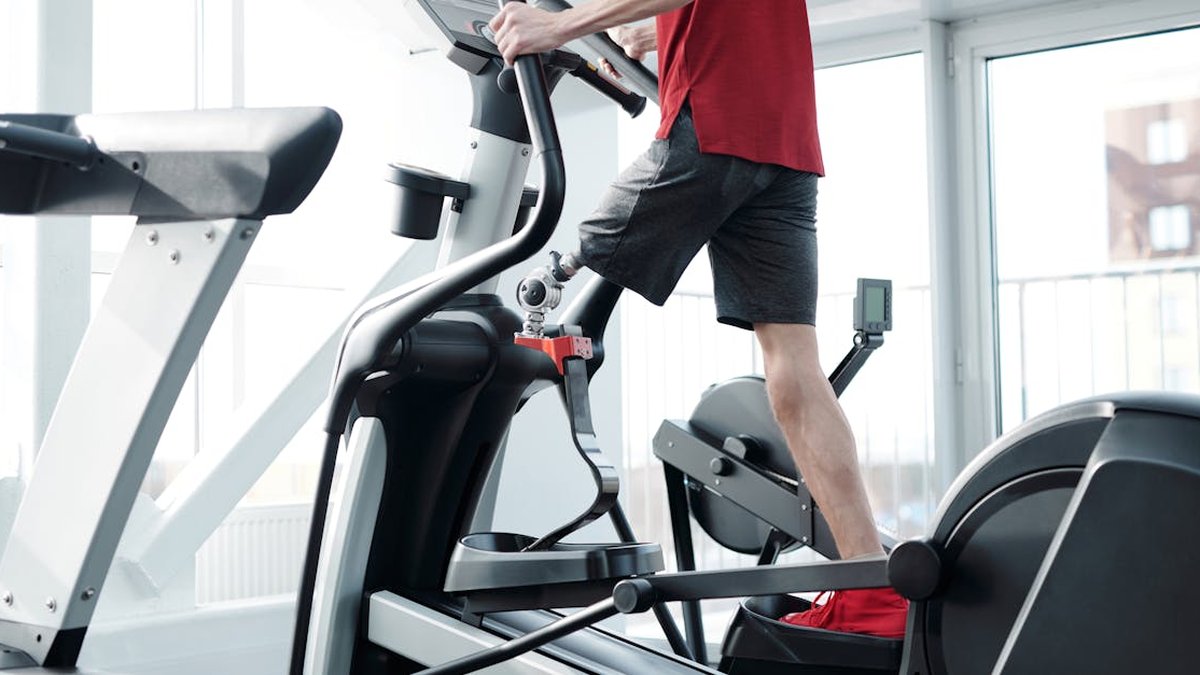
Explore low-impact cardio alternatives that provide excellent cardiovascular benefits while protecting your joints from excessive stress.
Read More →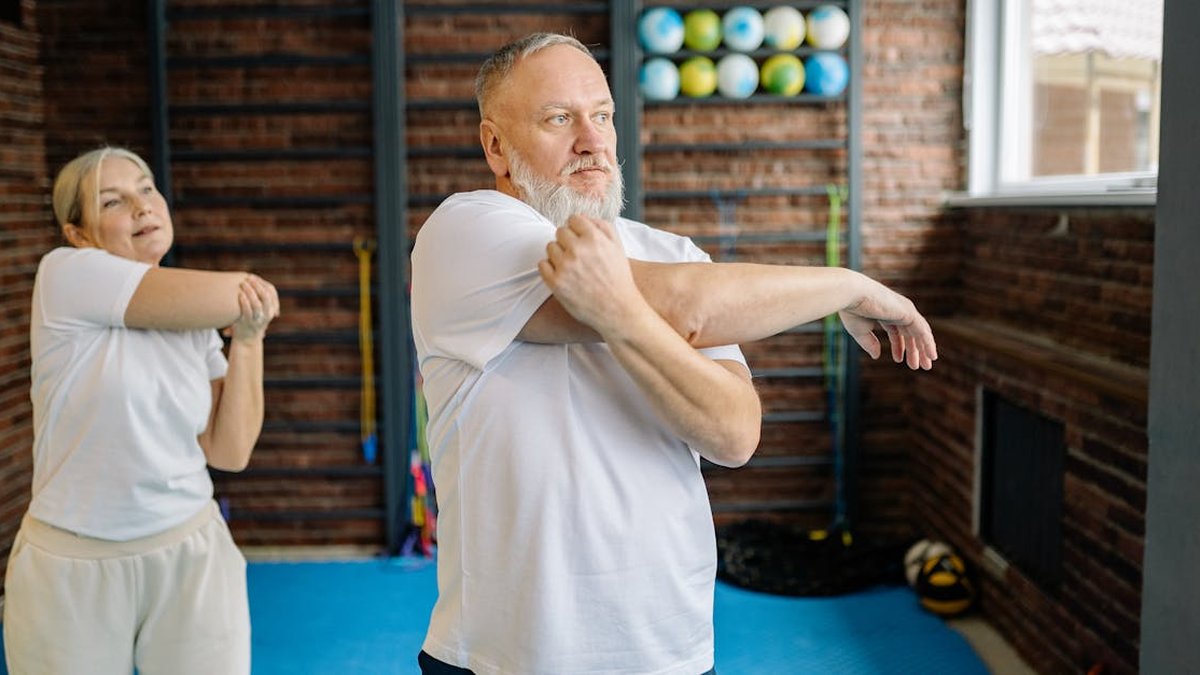
A daily stretching routine designed for seniors that maintains flexibility, reduces stiffness, and supports independent living.
Read More →
A safe, gradual approach to beginning exercise after 60, with medical considerations, appropriate starting points, and progression guidelines.
Read More →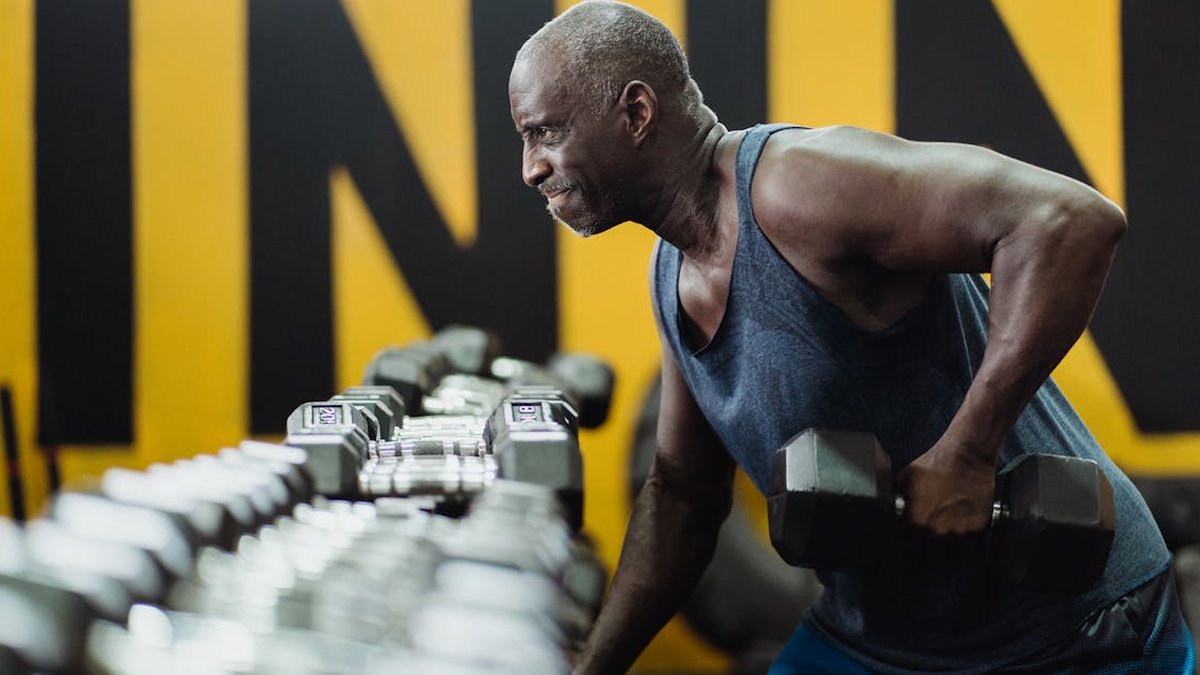
Understand the critical importance of strength training after 50 for combating sarcopenia, maintaining bone density, and extending healthspan.
Read More →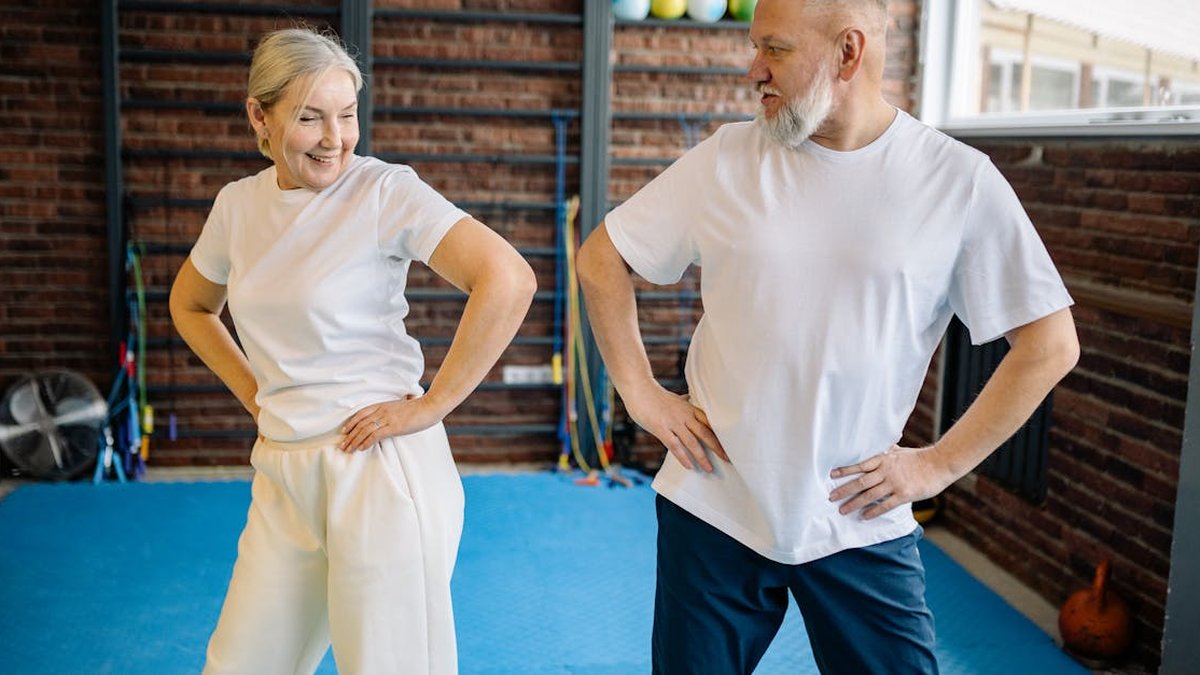
Twelve essential balance exercises for seniors that reduce fall risk, improve stability, and support an active, independent lifestyle.
Read More →Recovery is where the gains happen. Learn how to optimize sleep, manage training stress, prevent common injuries, and build a sustainable training lifestyle. Many athletes focus entirely on their training program while neglecting recovery — but it is during rest that your muscles repair, your nervous system rebounds, and your adaptations solidify.
Sleep is the single most powerful recovery tool available. During deep sleep, your body releases growth hormone, repairs damaged tissue, and consolidates motor learning from your training sessions. Yet most athletes are chronically sleep-deprived, unknowingly limiting their progress. Beyond sleep, active recovery strategies like deload weeks, contrast therapy, and prehab work can accelerate recovery and reduce injury risk.
Injury prevention is not just about avoiding accidents — it is about building resilience through proper training progression, addressing muscle imbalances, and incorporating prehab exercises that strengthen vulnerable areas like the lower back, shoulders, and knees. A smart approach to recovery and injury prevention keeps you training consistently, which is the real secret to long-term progress.

Discover the critical role sleep plays in muscle repair, hormone optimization, and overall recovery from training stress.
Read More →
Compare the evidence behind popular recovery modalities to determine which methods actually accelerate recovery after intense training.
Read More →
Master the art of deloading — when to schedule recovery weeks, how to reduce volume and intensity, and why they prevent plateau and burnout.
Read More →
Eight prehabilitation exercises that strengthen vulnerable areas and reduce your risk of the most common weight training injuries.
Read More →
Identify the common causes of lower back pain in lifters and implement corrective strategies to train pain-free and build a resilient spine.
Read More →