Table of Contents
Key Takeaways
- Arrive early, wear flat shoes, and bring water and a towel.
- Expect a 60-minute class with warm-up, strength, WOD, and cool-down.
- Scale weight and reps freely – focus on form before intensity.
- Eat a carb-protein meal 1–2 hours before and refuel within 30 minutes after.
- Communicate injuries to the coach and start at 50–60% of prescribed load.
Your First CrossFit Box Visit
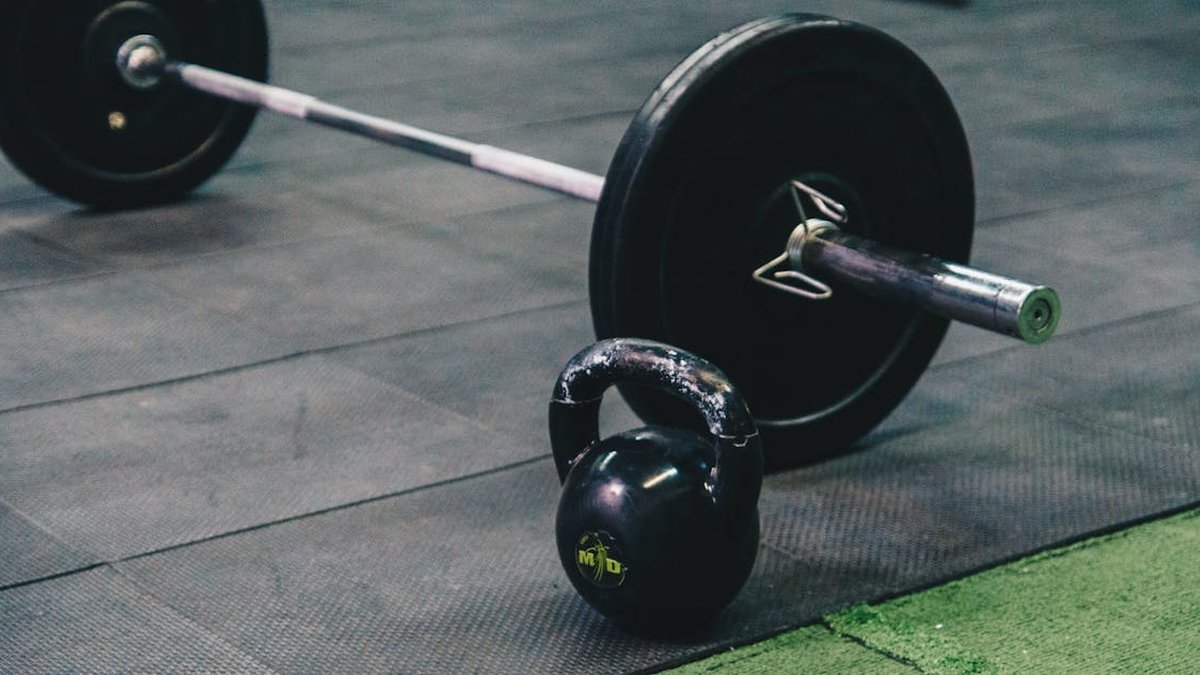
Walking into a CrossFit box for the first time can feel intimidating, but the environment is designed to be welcoming. Expect a spacious gym with minimal mirrors, rigs, barbells, kettlebells, and plyo boxes. Coaches will greet you and often ask about your fitness background and any injuries.
Most boxes require a fundamentals or on-ramp course before joining regular classes. These sessions last 2–4 hours and teach basic movements like the air squat, deadlift, push press, and burpee. You will learn proper breathing, bracing, and form at low weights before progressing.
What to Bring and Wear
Dress in moisture-wicking athletic clothes – shorts, leggings, and a fitted shirt. Avoid baggy clothing that can catch on bars. Bring a water bottle and a small towel. Most boxes provide all equipment, but you may want your own jump rope for double-unders.
Wear flat-soled shoes like training or weightlifting shoes. Running shoes with thick cushioning are not ideal for lifting. Arrive 10–15 minutes early to change and introduce yourself to the coach.
Typical Class Structure and Warm-Up
A standard CrossFit class lasts 60 minutes and follows a predictable structure: warm-up (10–15 minutes), skill or strength work (15–20 minutes), workout of the day (WOD) (12–20 minutes), and cool-down (5 minutes). The warm-up includes dynamic stretches, light cardio, and movement prep like 10 air squats, 5 inchworms, and 10 shoulder rotations.
Strength portions are programmed in sets and reps. For example, you might do 5 sets of 3 back squats at 70% of your 1-rep max. The WOD is often timed or for rounds. Beginners should scale reps, weight, or movement complexity as needed.
Common Beginner Movements and Scaling
Foundational movements include air squats, push-ups, pull-ups (or banded rows), deadlifts, and kettlebell swings. Scaling options are always available: use lighter dumbbells instead of barbells, do knee push-ups, or replace box jumps with step-ups.
Coaches emphasize mechanics first, then consistency, then intensity. A typical beginner WOD might be 3 rounds for time: 200-meter run, 15 goblet squats (12 kg), and 10 ring rows. Complete in about 8–12 minutes.
Sample Beginner WOD Table
Below is a sample workout suitable for a first-timer. Complete as many rounds as possible (AMRAP) in 12 minutes. Use light weights and focus on form.
| Exercise | Sets | Reps | Rest (sec) | Load |
|---|---|---|---|---|
| Kettlebell goblet squat | 1 | 10 | 0 | 12 kg |
| Push-up (knee or full) | 1 | 8 | 0 | Bodyweight |
| Ring row (feet on floor) | 1 | 8 | 0 | Bodyweight |
| Medicine ball slam | 1 | 10 | 0 | 6 kg |
| Burpee (no push-up) | 1 | 5 | 0 | Bodyweight |
Perform each exercise in sequence, rest only as needed, and track rounds completed. Aim for 4–6 rounds.
Nutrition and Recovery Basics
Fuel your body with a balanced meal 1–2 hours before class: 40–50g carbs (oatmeal, banana) and 15–20g protein (eggs, whey). After the WOD, consume 20–30g protein and 40–60g carbs within 30 minutes for recovery.
Hydrate with 500–750 ml water during class and additional fluids post-workout. Sleep 7–9 hours per night to support muscle repair. Beginners often experience soreness, so schedule rest days or active recovery like light walking.
Safety and Coach Communication
Always inform the coach of injuries, limitations, or pregnancy. Listen to your body – if something hurts (not just burns), stop and ask for a modification. Coaches are trained to spot poor form, but you must speak up.
Start with 50–60% of the prescribed weight for the first month. A common beginner mistake is ego lifting; leave that at the door. Progress comes from consistency, not maxing out on day one.
CrossFit is for everyone, but it demands humility. Scale early, learn the mechanics, and your progress will be safe and sustainable.
Frequently Asked Questions
Common questions about hiit and crossfit
Do I need to be in shape before joining CrossFit?
No. CrossFit is scalable for all fitness levels. Coaches will adjust movements and loads to your current ability.
What is an on-ramp or fundamentals course?
It is a 2–4 hour session that teaches basic lifts, terminology, and safety protocols before you join regular classes.
How often should a beginner do CrossFit?
Start with 3 sessions per week with rest days in between to allow recovery and reduce injury risk.
Will I get bulky from CrossFit?
Most people lean out and build functional muscle. Bulking requires specific high-calorie diets, not standard CrossFit programming.
Related Articles
Start Today
Starting CrossFit is a rewarding step toward functional fitness. By preparing properly, communicating with your coach, and scaling smartly, you will build strength, endurance, and confidence. Remember that every athlete started as a beginner – your consistency matters more than your starting point.