Table of Contents
Key Takeaways
- EPOC can elevate metabolism for 24–48 hours after a 20-minute HIIT session, burning extra calories at rest.
- Use a 40-second work to 20-second rest ratio at 85–95% max heart rate to maximize afterburn.
- Progress every 2–3 weeks by increasing work time, load, or reducing rest to keep EPOC high.
- Post-workout nutrition with protein and carbs within 45 minutes supports recovery and fat oxidation.
- Avoid overtraining—3–4 HIIT sessions per week is optimal for sustained metabolic benefit.
Why HIIT Maximizes Afterburn Effect
High-Intensity Interval Training (HIIT) isn't just about the calories you burn during the session. The real metabolic magic happens after you finish. This phenomenon is called Excess Post-Exercise Oxygen Consumption (EPOC). During a HIIT workout, you create an oxygen deficit that forces your body to work harder to restore homeostasis. For up to 24–48 hours post-workout, your metabolic rate remains elevated, burning additional calories even while you rest.
Research shows that HIIT can increase EPOC by 6–15% of total energy expenditure, compared to steady-state cardio which only elevates metabolism for a few hours. The key is to perform short, intense bursts of effort followed by incomplete rest. A 20-minute HIIT session structured correctly can produce a greater afterburn effect than 45 minutes of moderate jogging.
The 20-Minute EPOC Workout Protocol
This workout uses a 3:1 work-to-rest ratio. Each exercise is performed for 40 seconds at maximum effort, followed by 20 seconds of active recovery (light jog or marching in place). Complete all five exercises to finish one circuit, then rest 60 seconds. Repeat for a total of three circuits.
| Exercise | Work (sec) | Rest (sec) | Reps Target | Intensity |
|---|---|---|---|---|
| Burpee | 40 | 20 | 8–12 | 85–95% max HR |
| Kettlebell Swing (35 lb) | 40 | 20 | 10–15 | 80–90% |
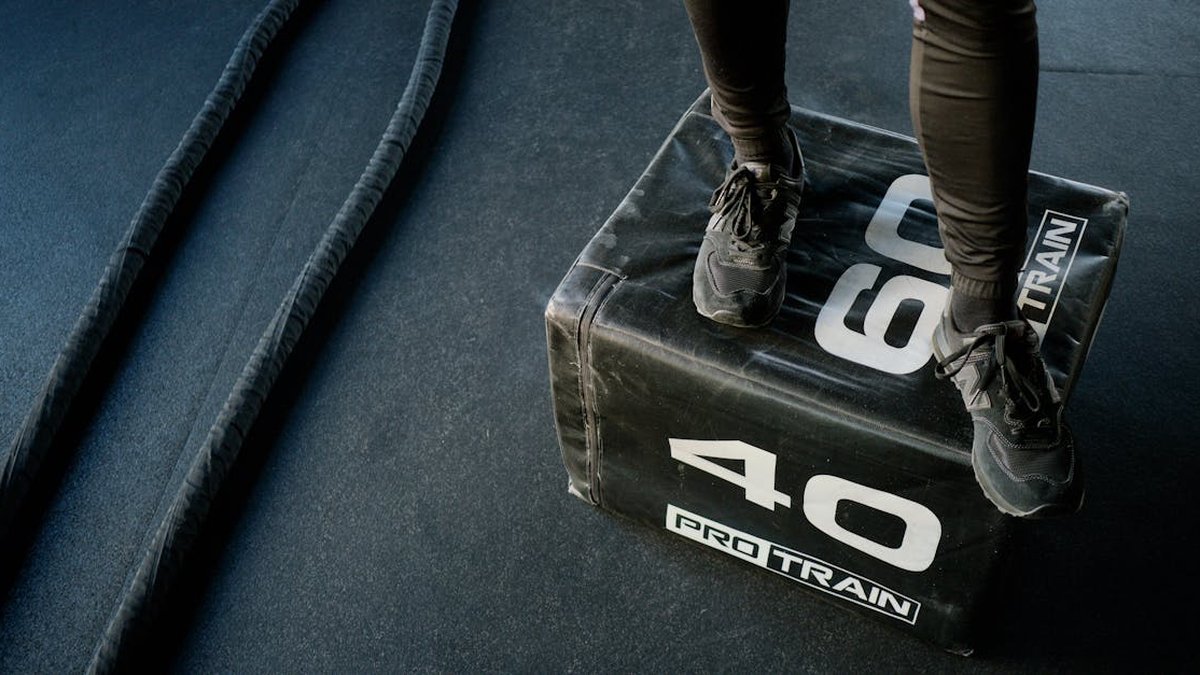
| Box Jump (24 in) | 40 | 20 | 8–10 | 85–95% |
| Mountain Climber | 40 | 20 | 20–30 total | 80–90% |
| Battle Rope Slam | 40 | 20 | 15–20 | 85–95% |
Perform each movement with full range of motion. If you cannot maintain the rep range, reduce the work interval to 30 seconds but keep the same rest. The goal is to keep heart rate in zone 4–5 for the entire 40-second block.
Understanding EPOC and Fat Oxidation
EPOC has two phases: the rapid phase (first 30–60 minutes) and the prolonged phase (up to 48 hours). During the rapid phase, your body replenishes ATP and creatine phosphate stores, clears lactate, and restores oxygen to muscle tissue. The prolonged phase involves increased fat oxidation and thermogenesis, meaning your body preferentially burns stored fat for fuel.
A 2015 study in the Journal of Strength and Conditioning Research found that 20 minutes of HIIT increased EPOC by 38% compared to steady-state exercise. To maximize fat burn, consume a balanced meal with protein and healthy fats within two hours post-workout. Avoid high-sugar carbs immediately after, as they blunt the metabolic response.
"The afterburn effect is one of the most underutilized tools in fat loss. A properly designed 20-minute HIIT session can keep your metabolism elevated for the next 24 to 48 hours, essentially turning your body into a 24/7 fat-burning machine."
Progressing the Workout for Greater EPOC
To continually increase the afterburn effect, progress your HIIT workouts every 2–3 weeks. Options include: increasing the work interval from 40 to 50 seconds while keeping rest at 20 seconds; adding 5–10 lb to kettlebell swings or using a heavier battle rope; reducing rest between circuits from 60 to 45 seconds; or adding one extra circuit (total of 4 rounds).
Track your heart rate using a monitor. Aim for 85–95% of your age-predicted maximum heart rate (220 minus age) during work intervals, and allow recovery to drop to 60–70%. If you cannot reach that intensity, shorten the work interval. Never sacrifice form for speed—poor mechanics reduce EPOC and increase injury risk.
- Week 1–2: 40/20 ratio, 3 circuits, 60 sec rest
- Week 3–4: 45/15 ratio, 3 circuits, 50 sec rest
- Week 5–6: 50/20 ratio, 4 circuits, 45 sec rest
Nutritional Timing to Amplify Afterburn
What you eat before and after HIIT directly influences EPOC duration. Consume a small meal 60–90 minutes before the workout: 20–30 g of complex carbs (e.g., oatmeal) and 10–15 g of protein (e.g., whey isolate). This fuels the intense work without causing digestive distress.
Post-workout, within 30–45 minutes, consume 30–40 g of protein and 20–30 g of carbs. A shake with whey protein and a banana works well. Avoid high-fat meals immediately after, as fat slows digestion and may blunt the metabolic response. Stay hydrated—dehydration reduces EPOC by up to 15%. Drink 16–20 oz of water during the workout and another 16 oz within an hour after.
Common Mistakes That Kill the Afterburn
Even a well-designed HIIT workout can fail to produce significant EPOC if you make these errors. First, resting too long between exercises. If your rest exceeds 30 seconds for a 40-second work interval, heart rate drops too low, and the oxygen deficit is lost. Second, choosing exercises that are too easy. You should feel like you cannot hold another rep in the last 10 seconds.
Third, performing HIIT more than 3–4 times per week. Overtraining elevates cortisol, which impairs EPOC and encourages fat storage. Fourth, skipping the warm-up. Spend 5 minutes doing dynamic stretches and light cardio to prepare the nervous system. A cold start reduces power output and lowers the afterburn effect. Finally, ignoring active recovery—standing still between intervals reduces blood flow and extends recovery time.
Frequently Asked Questions
Common questions about hiit and crossfit
How long does EPOC last after a 20-minute HIIT workout?
The rapid phase of EPOC lasts 30–60 minutes, but the prolonged phase can elevate metabolism for 24–48 hours. The exact duration depends on workout intensity, your fitness level, and post-workout nutrition.
Can I do this HIIT workout every day?
No. HIIT creates significant muscle and central nervous system fatigue. Perform it 3–4 times per week with at least 48 hours between sessions. On off days, do low-intensity steady-state cardio or active recovery.
Will EPOC burn more fat than steady-state cardio?
Yes, for the same time investment. HIIT increases fat oxidation both during and after exercise, whereas steady-state cardio primarily burns calories during the session. EPOC from HIIT can burn an additional 100–200 calories over 24 hours.
Do I need equipment for this workout?
Some exercises require basic equipment: a kettlebell (35 lb for men, 25 lb for women), a box or sturdy platform (24 in for men, 20 in for women), and battle ropes. You can substitute with dumbbell swings, step-ups, or squat jumps if equipment is unavailable.
Related Articles
Start Today
The 20-minute HIIT workout described here is one of the most time-efficient methods to trigger a sustained afterburn effect. By combining high-intensity intervals with proper progression and nutrition, you can keep your metabolism elevated for up to two days. Focus on effort, form, and consistency—not just the stopwatch. Start with the protocol as written, track your heart rate, and adjust the work-to-rest ratio as you get fitter. Your body will continue burning fat long after you leave the gym floor.